

Blog
Wooden Candle Holder Private Label: OEM Production, QC and Packaging Guide

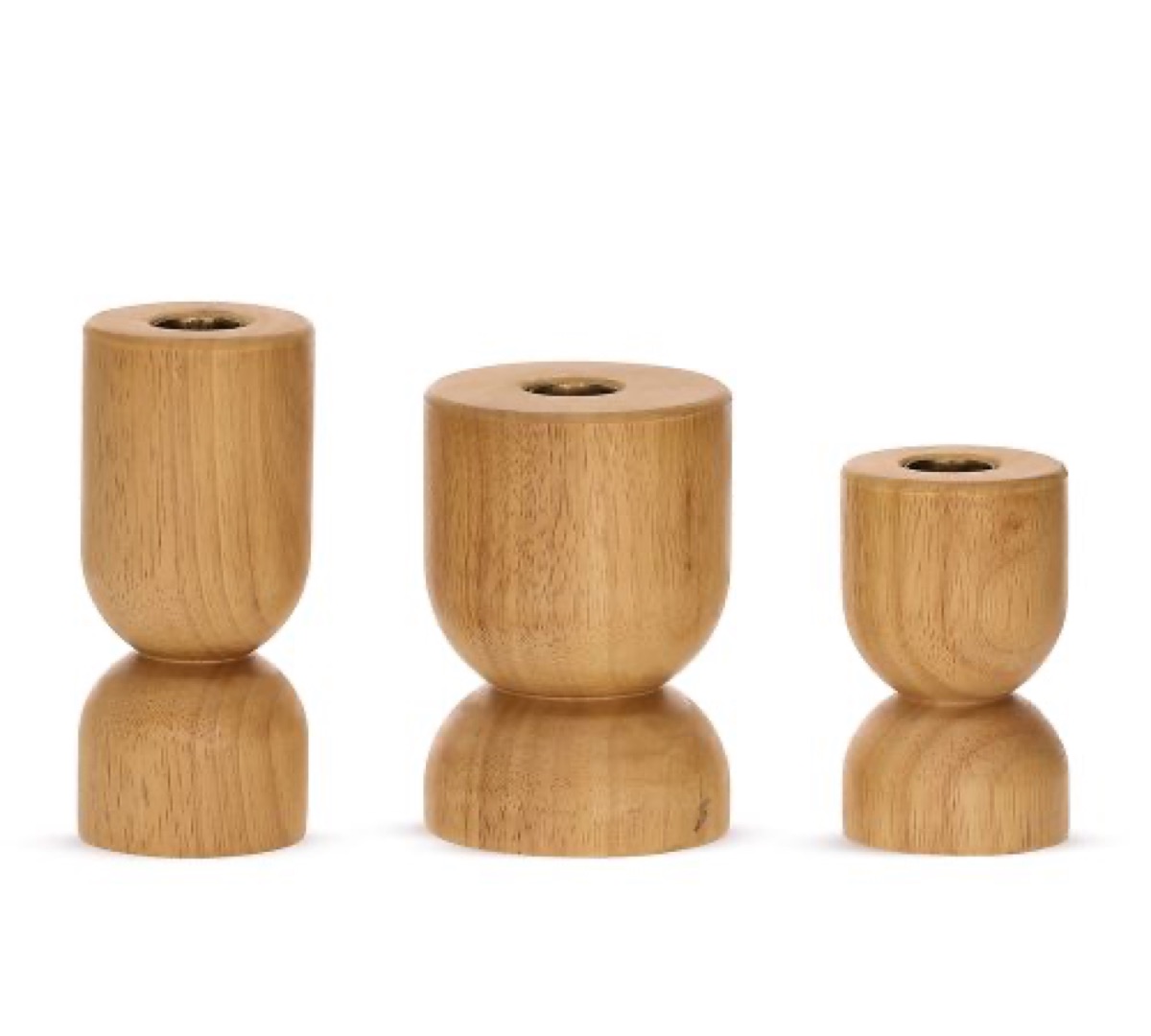
For wooden candle holder private label orders, define candle fit, base stability, finish, branding and protective packaging before approving a sample. This guide helps home decor brands, importers and wholesale buyers prepare an OEM brief and agree on production checks with their supplier.

This guide is written for importers, Amazon sellers, gift brands and wholesale buyers who want to source wooden candle holder private label products from an OEM wood manufacturer without overcomplicating the first order.
Why Wooden Candle Holder Private Label Products Fit B2B Buyers
Small wooden home goods are easier to test than large furniture. They ship more efficiently, can be sold in sets, and allow simple customization such as logo engraving, color staining, gift boxes and seasonal packaging. For B2B buyers, the key is not only the shape, but whether the factory can keep wood color, sanding, hole size and finish consistent across repeat orders.
1. Choose the Right Wood for Your Price Range
Pine and beech are useful for entry-level sets, while oak, walnut, rubberwood and acacia give a more premium appearance. If your buyers prefer warm wood decor, walnut-tone finishing or natural oak grain will usually look stronger in lifestyle photography than flat painted finishes.
2. Confirm Candle Size Before Sampling
Most quality problems start from unclear candle dimensions. Confirm whether the product is for tealight candles, taper candles, pillar candles or glass cup inserts. Hole depth, diameter tolerance and bottom stability should be checked before mass production. For wholesale orders, prepare one technical drawing with all dimensions instead of relying only on a product photo.
3. Keep the Design Simple for the First OEM Order
Round, square, arched and block-style holders are safer for the first order. Complex carved shapes can look attractive, but they increase sanding time and defect risk. If you are testing a new private label line, start with 2-3 sizes in the same design language, then expand into seasonal or sculptural styles after sales data is clear.
4. Specify Finish, Not Just Color
Buyers often say “natural,” “walnut,” or “black,” but a factory needs more detail. Confirm matte or satin finish, oil or lacquer, food-safe or decorative use, and whether the surface should show visible grain. A good sample should be checked under natural light, warm indoor light and photo lighting.
5. Plan Branding and Packaging Early
For private label orders, logo engraving is usually cleaner than printed logos on wood. Packaging options can include kraft boxes, color boxes, barcode labels, care cards and set packaging. If the product is sold as a gift item, packaging quality matters almost as much as the holder itself.
6. Ask for Moisture and Stability Checks
Wooden candle holders should sit flat and remain stable after finishing. Ask the supplier to check moisture content, bottom flatness, sanding around the candle hole and edge smoothness. For darker finishes, also check whether color gathers inside corners or around drilled holes.
7. Build a Small Wooden Home Goods Collection
A candle holder works better when it belongs to a collection. Consider matching it with custom wooden coasters, wooden trays, desktop organizers, bathroom trays or storage boxes. This helps buyers create a clearer product story and raises average order value.
Start the collection with one approved shape, finish and packaging specification. Keep a signed reference sample and record any changes before repeat orders. Matching trays, coasters and boxes can then follow the same material and finish brief.
OEM Specification Checklist
| Item | What to Confirm |
| Wood type | Beech, oak, walnut, rubberwood, acacia or pine |
| Candle fit | Tealight, taper, pillar or glass insert size |
| Finish | Natural oil, matte lacquer, walnut stain, black stain or custom color |
| Branding | Laser engraving, hang tag, care card, box label or custom packaging |
| QC points | Moisture, bottom flatness, hole size, sanding, color consistency |
For buyers who require responsible sourcing documentation, Zhiyunlai can support FSC-certified wood sourcing and related documentation review before packaging claims or retail labeling language are confirmed.
A good wooden candle holder private label brief should also define the target retail channel, expected gift box style, and inspection standard. For repeat wholesale buyers, wooden candle holder private label sourcing works best when the same factory can support matching accessories across the collection.
Work With an OEM Wooden Products Manufacturer
Zhiyunlai Wood manufactures custom wooden products for overseas wholesale and private label buyers, including wooden coasters, trays, boxes, organizers, kids furniture and small wooden home goods. If you are developing a wooden candle holder line, send your target size, wood type, finish, packaging idea and estimated order quantity for a practical OEM quote.
Contact Zhiyunlai Wood to discuss custom wooden candle holders and matching home decor products.
A wooden candle holder private label supplier should confirm production tolerances in writing, especially when the order includes mixed sizes, gift packaging, or logo engraving on curved surfaces.
For wooden candle holder private label orders, buyers should ask the factory to confirm the full process before sampling: wood selection, cutting, drilling or CNC shaping, sanding, edge rounding, surface finishing, logo application, drying time, final cleaning, individual packing, and export carton packing. This prevents common issues such as rough edges, uneven candle holes, unstable bottoms, color difference, and scratched surfaces.
Quality control should be visible, not only promised. Practical QC points include checking wood moisture condition, hole diameter, candle fit, bottom flatness, surface smoothness, glue marks, finish consistency, logo position, carton strength, and barcode or carton mark accuracy. For gift and retail channels, buyers should request sample photos and packing photos before mass shipment.
Packaging control is especially important for candle holders because the surface can be scratched during transport. Common options include kraft box, color gift box, tissue paper wrap, foam or paper insert, care card, barcode label, master carton, and pallet requirement. Private label buyers should confirm box artwork, logo size, warning or care text, carton marks, and whether mixed-size sets need separated inner packing.
A reliable OEM workflow should include reference photo review, drawing or size confirmation, quotation, sample making, sample approval, packaging artwork approval, mass production, in-process inspection, final inspection, and shipment booking. Zhiyunlai can review candle holder projects together with matching wooden trays, coasters, storage boxes, and small wooden home decor items for a coordinated wholesale collection.
Wooden Candle Holder Private Label FAQ
What is the best wood for wooden candle holder private label orders?
For most OEM projects, beech and rubber wood are practical choices for stable supply and controlled cost. Acacia and walnut work better for premium gift sets, boutique home decor lines, and higher retail price points.
Can Zhi Yun Lai Wood support logo engraving and custom packaging?
Yes. Buyers can request laser engraving, printed packaging, barcode labels, insert cards, and grouped packaging for wholesale or private label wooden home goods programs.
What should buyers confirm before mass production?
Confirm candle size, wood species, finish, moisture range, logo position, carton strength, and the final packing method before approving a production sample.
Candle holder OEM production, QC and packaging workflow
For wooden candle holder private label orders, B2B buyers should confirm more than the outer shape. The production workflow needs clear standards for wood moisture, candle hole tolerance, sanding level, coating safety, logo placement and export packaging before mass production starts.
Production check: confirm wood species, color range, moisture target, candle cup diameter, hole depth and base stability before bulk cutting. QC check: review sanding level, finish consistency, odor control, logo position, edge smoothness and first-piece photos. Packing check: confirm unit protection, gift box option, carton label, drop-test need and export carton strength to reduce rubbed surfaces and broken corners during shipment.
Zhiyunlai can support wooden candle holder private label projects for wholesale buyers with OEM sizing, FSC-certified material options, logo engraving, stain color matching, sample confirmation, final inspection, and retail-ready packaging suggestions. Buyers can also compare this category with our custom wooden storage box OEM wholesale options when building a coordinated small wooden home goods collection.
 Furniture