

Blog
OEM Wooden Cutting Boards: A Practical Sourcing Guide for B2B Buyers

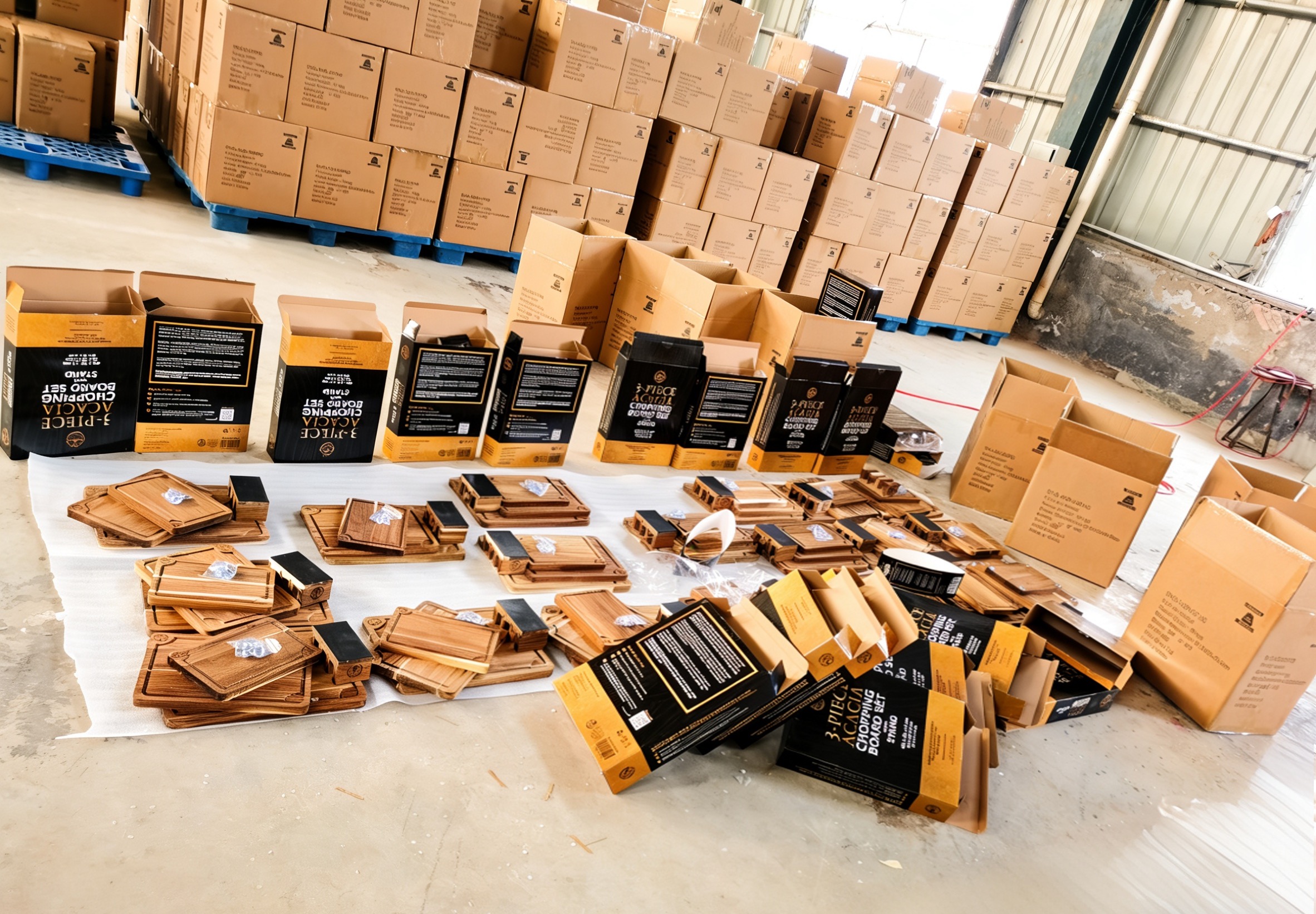
OEM wooden cutting boards are a practical category for retail brands, hospitality suppliers, gifting companies, and private label kitchenware importers. The supplier you choose has a direct impact on product quality, repeat orders, and customer reviews. A custom cutting board project is not only about choosing a shape and adding a logo.
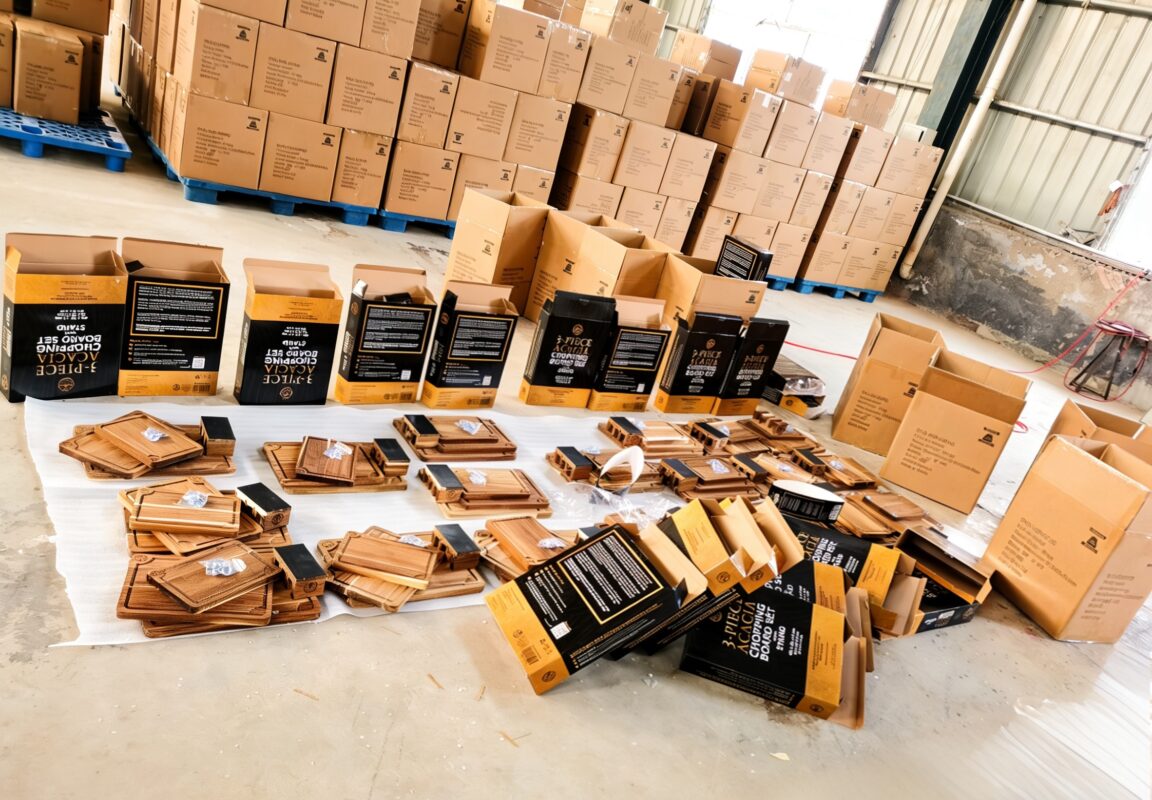
Buyers need to confirm the wood species, moisture control, food-contact finish, packaging, inspection process, and production consistency before placing a bulk order.
Qingdao Zhiyunlai works with overseas buyers on wooden kitchenware and wooden craft products, including acacia wood cutting boards, bamboo cutting board sets, custom wooden boxes, wooden trays, coasters, and other OEM wooden products. This guide explains what importers, wholesalers, and brand owners should check before starting a custom cutting board order.
1. Define the target market before choosing the board design
A cutting board for a supermarket private label program is different from a board for a hotel supply project or a premium gift set. Before production starts, buyers should confirm the sales channel, expected retail price, packaging style, and target customer.
For mass-market retail, stable size, cost control, strong cartons, and barcode-ready packaging are often more important than complex design. For premium kitchenware brands, buyers usually care more about wood grain, edge finishing, logo detail, gift packaging, and a polished unboxing experience. For restaurants and hospitality suppliers, durability, easy cleaning, and repeat supply matter most.
Clear positioning helps the factory recommend the right material, thickness, finish, and packaging solution.
2. Choose the right material: acacia, bamboo, beech, rubber wood, or walnut
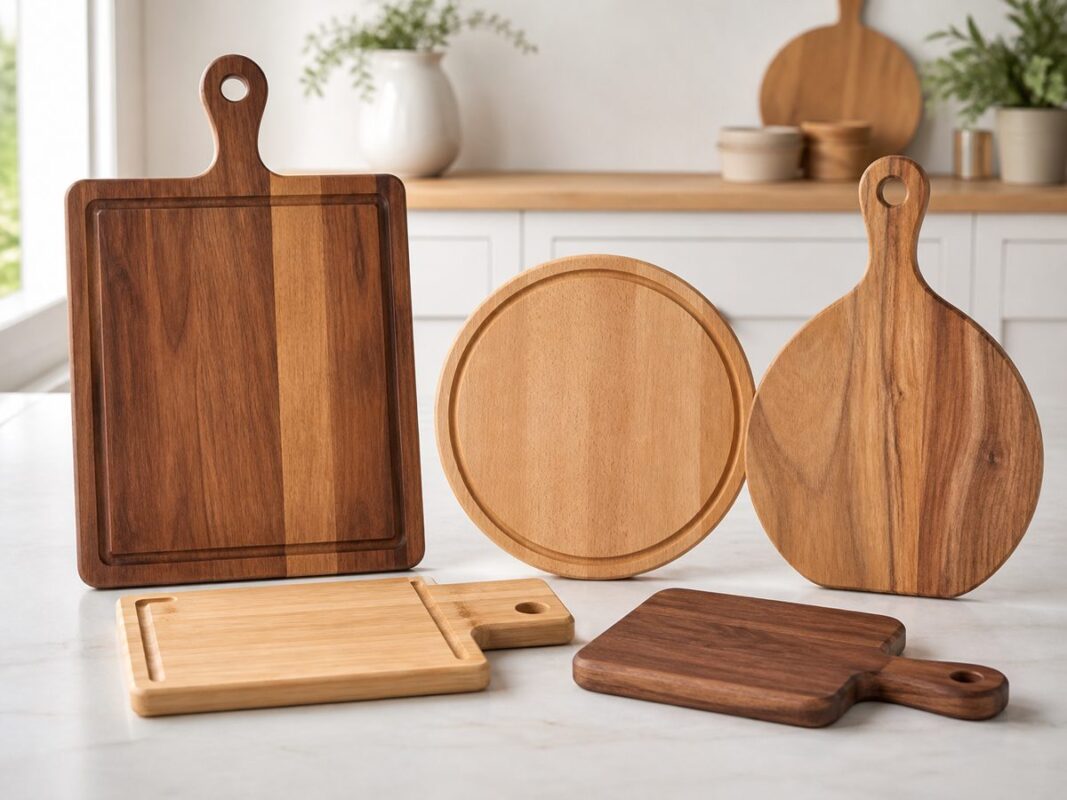
Acacia wood is popular for OEM cutting boards because it has attractive grain, good hardness, and a premium natural look. Bamboo is often chosen for cost-effective sets and lightweight kitchenware. Beech and rubber wood can be stable options for large-volume projects, while walnut is usually used for higher-end gift or boutique kitchen products.
When comparing materials, buyers should look beyond the unit price. Important questions include:
- Is the material suitable for food-contact kitchenware?
- Can the supplier maintain consistent color and grain across bulk production?
- Is the board less likely to warp or crack after shipping?
- Can the material support laser engraving or logo printing clearly?
- Is the wood source stable for repeat orders?
For B2B orders, consistency is usually more valuable than choosing the cheapest material.
3. Confirm moisture control before mass production
Wood is a natural material, so moisture control is one of the most important factors in cutting board quality. If the moisture content is too high or uneven, boards may warp, crack, or separate after shipping to a different climate.
A reliable wooden cutting board manufacturer should control drying, storage, and production conditions carefully. Buyers can ask the supplier about target moisture range, inspection method, and how finished boards are stored before packing. For export orders, this step is especially important because products may travel through humid ports, dry warehouses, and air-conditioned retail environments.
4. Select a food-safe finish
Most wooden cutting boards use food-contact oil or other food-safe surface treatments. The finish should protect the board while keeping the natural wood appearance. Buyers should confirm whether the finish matches the destination market requirements and whether test reports are available when needed.
For custom cutting boards, surface finish also affects logo performance. Laser engraving, hot stamping, and printed branding can look different depending on wood species and coating. It is best to approve a pre-production sample before confirming bulk packaging.
5. Decide the logo and private label method
OEM wooden cutting boards often require brand customization. Common options include laser engraving, silk screen printing, hot stamping, hang tags, belly bands, color boxes, gift boxes, and instruction cards.
Laser engraving is popular because it looks natural and durable. Printed logos can be useful for packaging or promotional gift sets. For retail programs, buyers may need barcode labels, warning labels, care instructions, and carton marks. Sharing the brand guide and packaging requirements early can prevent delays later.
6. Check packaging strength for export shipments
A good board can still arrive damaged if packaging is weak. For B2B wooden kitchenware orders, packaging should be planned around product weight, carton stacking, container loading, and the buyer’s distribution method.
Common packaging options include shrink wrap, kraft sleeve, color box, gift box, mailer box, and master carton. For e-commerce or Amazon-style distribution, drop test requirements may be stricter. For wholesale and supermarket channels, outer carton strength and pallet loading are often more important.
7. Request a realistic sample process
Before mass production, buyers should confirm a sample that reflects the final order. The sample should include the real material, size, thickness, logo position, surface finish, packaging, and label details. If the final order requires a custom box or printed sleeve, the packaging sample should also be checked.
A clear sample approval process reduces disputes and helps both sides understand the final quality standard.
8. Plan inspection points before shipment
For OEM wooden cutting board orders, inspection should include size, thickness, moisture condition, surface sanding, glue line, cracks, color difference, logo accuracy, packaging, carton marks, and quantity. Buyers can also request photos or videos during production to monitor progress.
For repeat orders, keeping the same approved sample and inspection checklist helps maintain stable quality over time.
9. Work with a supplier that understands wooden products, not only trading
Wooden cutting boards look simple, but stable production requires knowledge of wood selection, drying, sanding, finishing, and packing. A supplier with experience in wooden kitchenware and wooden crafts can help buyers avoid common problems such as cracking, uneven logo engraving, poor packaging, and inconsistent color.
Qingdao Zhiyunlai supplies OEM wooden products for overseas buyers, including cutting boards, wooden boxes, trays, coasters, and custom wooden craft items. We support product customization, packaging development, and bulk production for importers, wholesalers, distributors, and private label brands.
Ready to develop an OEM wooden cutting board project?
If you are looking for a wooden cutting board manufacturer in China, prepare your target size, material preference, logo file, packaging idea, and estimated order quantity. Our team can help review the details and suggest a practical production solution for your market.
Contact Qingdao Zhiyunlai to discuss custom wooden cutting boards, acacia cutting boards, bamboo cutting board sets, and other OEM wooden kitchenware projects.
OEM wooden cutting boards production workflow
For B2B buyers, a reliable production workflow should include material sorting, moisture checking, cutting, glue-up if needed, CNC shaping, handle or groove processing, sanding, edge rounding, food-contact oil or coating, drying, logo application, final cleaning, individual packing and export carton packing. Each step should be confirmed before bulk production so the finished boards stay flat, smooth and consistent.
Quality control points for bulk cutting board orders
Key inspection points include board size, thickness, flatness, moisture level, glue line if laminated, surface smoothness, corner radius, juice groove depth, handle position, logo clarity, finish consistency, odor, packing quantity, barcode label and carton mark. For large orders, buyers can request pre-production samples, in-process photos and final inspection photos before shipment.
Packaging and private label options
Common packaging choices include shrink wrap, paper sleeve, kraft box, color box, care card, barcode label, hang tag, master carton and pallet packing. Private label buyers should confirm artwork files, warning or care text, carton marks, drop protection and moisture protection before production starts.
Related product reference
For a matching product page, see our custom acacia wood cutting boards OEM manufacturer page: https://zhiyunlaiwood.com/product/custom-acacia-wood-cutting-boards-oem-manufacturer/
OEM wooden cutting boards FAQ
Q: What details should buyers provide for a quotation?
A: Size, wood species, thickness, logo method, finish, packaging style, target quantity and destination market are the most useful details.
OEM wooden cutting boards should be reviewed as food-contact wooden kitchenware, not only as a decorative item. Buyers can compare product direction with Google Trends and then confirm a matching factory product such as our custom acacia wood cutting boards OEM manufacturer page.
For OEM wooden cutting boards, the most important commercial checks are stable moisture control, food-safe finish, clear logo position, export carton strength, retail-ready packaging and inspection records before shipment.
OEM wooden cutting boards should be quoted with clear drawings, sample approval standards and carton packing requirements. For wholesale buyers, OEM wooden cutting boards need stable moisture control, food-contact finishing and consistent packaging before shipment.
OEM wooden cutting boards should also include agreed sample photos, packing photos and final inspection records for repeat wholesale orders.

 Furniture